SUHYUN NAM
-
2022. 10. 7. - 2022. 10. 20.
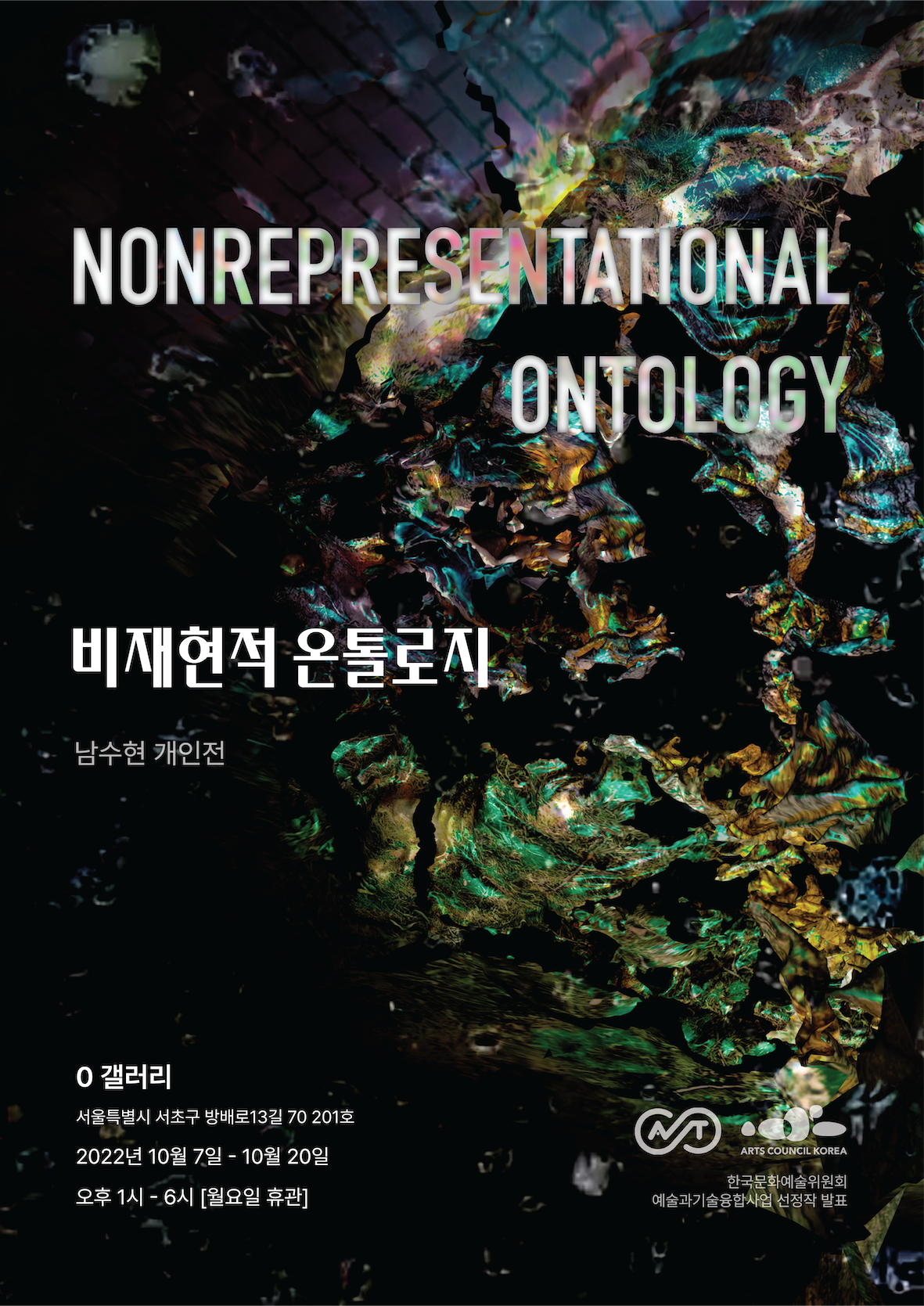
⟪비재현적 온톨로지⟫, 남수현 개인전
보이는 것과 존재하는 것
김주옥(전시기획, 미술비평)
홍익대학교 예술학과 겸임교수
“보이지 않아도 존재할 수 있다.”
위의 생각은 수년 전부터 필자의 머릿속을 가득 채웠다. 하지만 세상을 바라보는 기존의 논리로는 그것을 증명할 방법이 없었다. 그런데 디지털 이미지와 기계적 장치의 발달로 인해 우리는 지금 이것을 다른 방식으로 사유할 수 있는 가능성을 만나고 있는 중이다. 그리고 남수현 작가의 작업을 통해 또 다른 물음을 만나게 된다.
-
현실로 인식하기 위한 방법
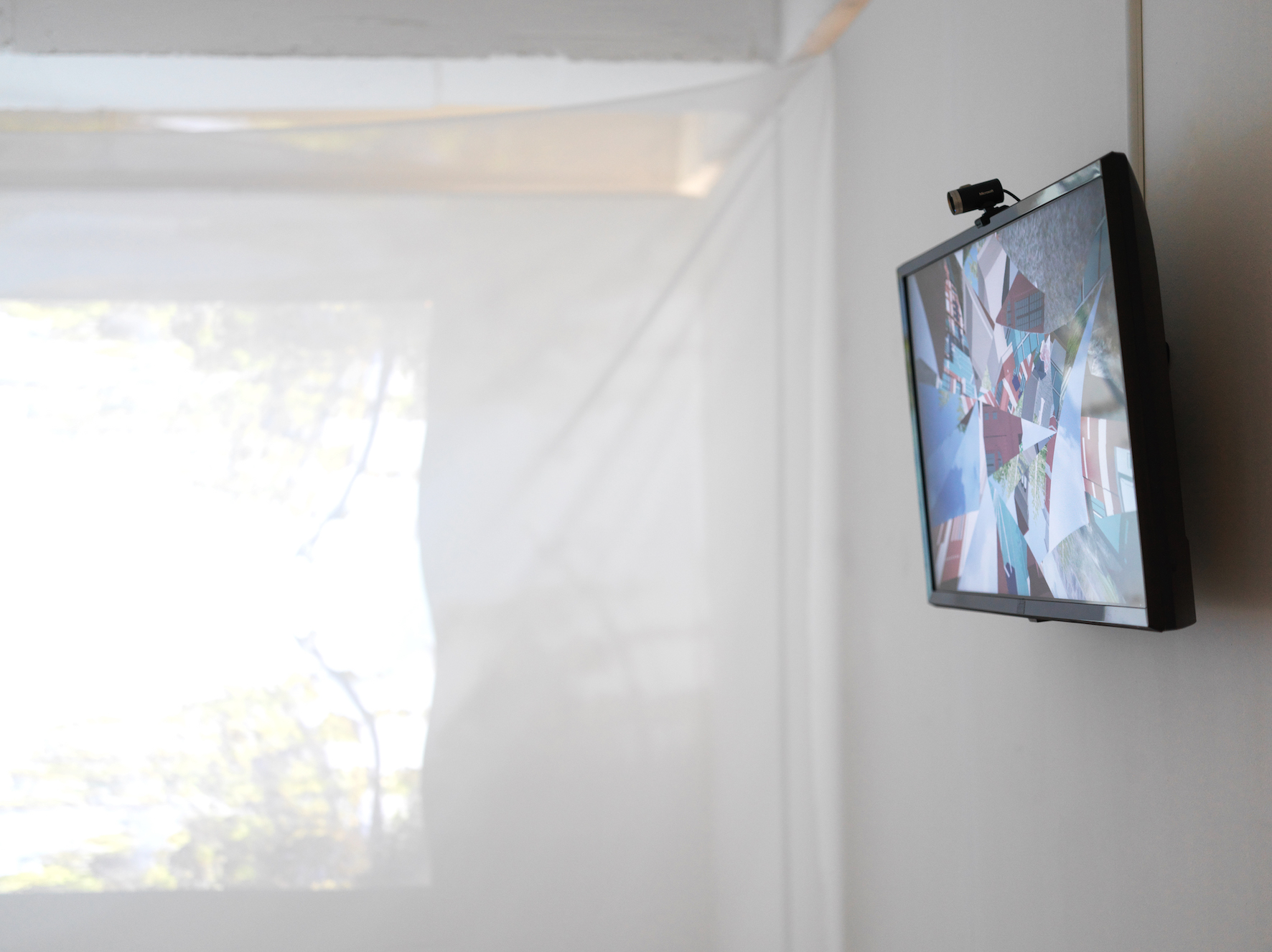
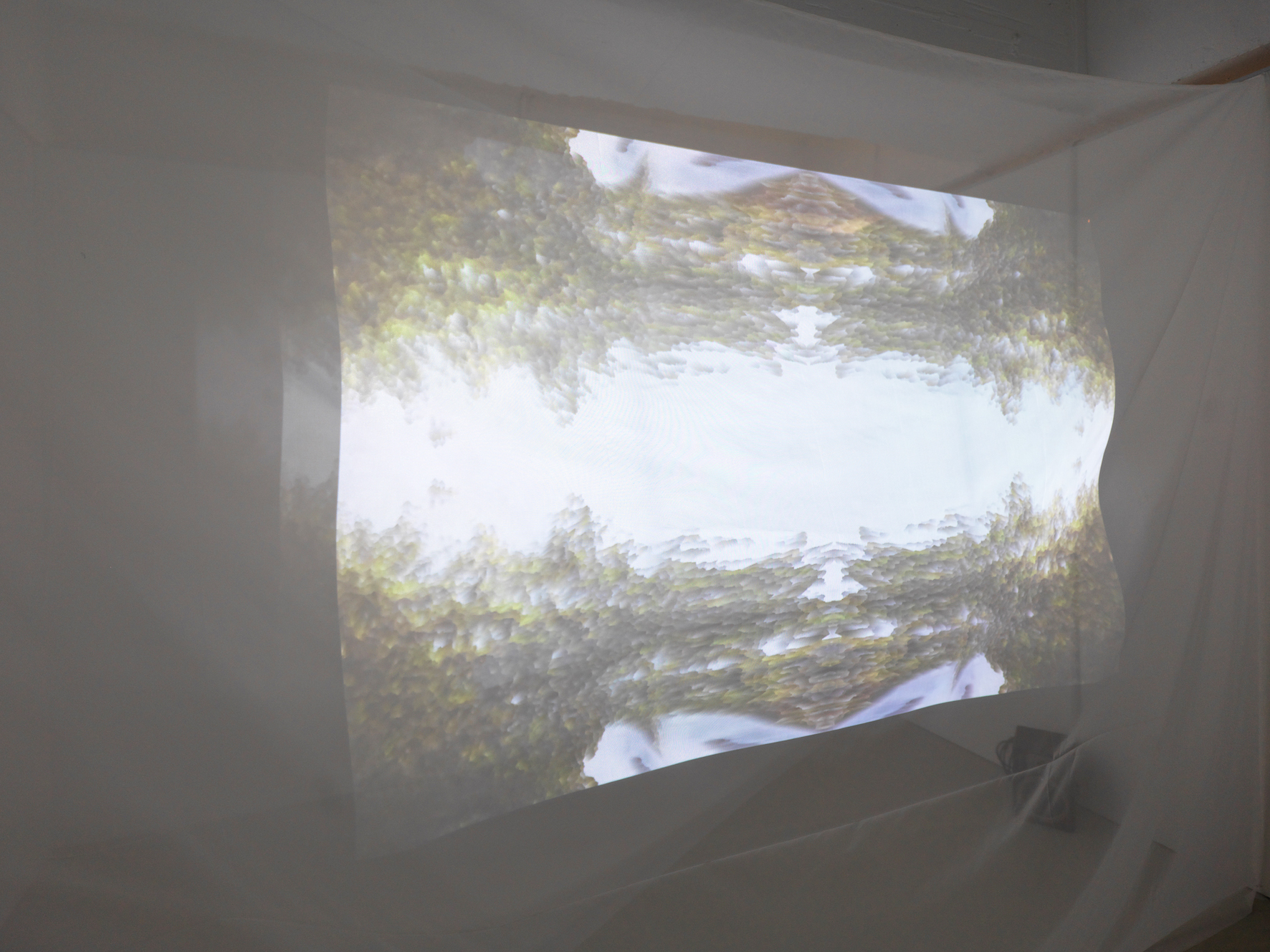
우선 ‘인간의 의식은 무엇인가?’라는 부분이다. 남수현 작가는 본인의 기억 속 이미지를 어떻게 기계가 자율적으로 처리하는지 그리고 그것이 어떻게 새롭게 가공되는지를 실험한다. <Synthetic Cognisphere>에서 잘 볼 수 있듯 이것은 인간의 의식으로 수렴될 수 없는 부분, 다시 말해 비의식을 탐구하기 위해 기계적 장치를 통해 반추하려는 시도이다.
현실 속 이미지나 현실로 부터 온 생성된 이미지를 기술적 장치를 통해 디지털화 시킬 때 이 생성된 이미지는 기존의 재현 체계의 법칙을 통해 시각적 결과물로써 우리에게 제시된다. 그런데 이 결과물은 기존에 우리가 가지고 있던 시각적 공식을 따르는 방식으로 표현된 것이다. 필자가 ‘공식을 따르는 방식’이라 표현한 이유는 사실상 디지털 이미지는 현실의 법칙을 넘어서는 방식으로 창조되고 있지만, 인간이 이해할 수 없는 체계 속에서 만들어졌기 때문에 그것을 우리가 인식하기 위해서는 그 세계를 번역할 수 있는 하나의 방법을 고안해 낼 필요가 생긴다. 실제로 디지털 이미지들은 알고리즘에 의해 만들어지고 재현적 현실이 아닌 비재현적 법칙을 따른다.
-
비재현 체계의 현실화
남수현 작가는 재현된 것들이 믿음이라는 영역 안에서 가장 중요한 사실이 되고 있다는 것을 의문시한다. 그리고 분명 재현되지 않은 비재현적 사실이 존재한다고 믿는다. 그리고 그 비재현은 기계적 장치가 만들어 낸 이미지를 통해 증명된다.
그동안 우리는 우리가 보는 것을 믿고자 했다. 하지만 실제로 우리는 우리가 믿고 싶은 것을 보고 있었다. 그렇다면 우리가 무엇을 믿고 있는지는 우리가 무엇을 보고 있는지를 밝힘으로 알 수 있는 것일까?
그런데 여기서 문제가 발생한다. 인간은 내가 무엇을 믿는지 그리고 무엇을 보았는지 정확하게 증명할 수 없다. 어쩌면 증명한다는 단어보다는 기억이나 인지라는 말이 더 걸맞을 수도 있겠다. 아무리 자기객관화를 이루는 사람이라 하더라도 우리는 내가 보고 느끼고 믿는 그 모든 것에 대해 100퍼센트 언어화 할 수 없다. 그리고 언어화 할 수 없는 비언어적 세계는 마치 인간의 무의식이 그렇듯 비재현적인 방식으로 존재한다.
-
만들어지고 있는 사실
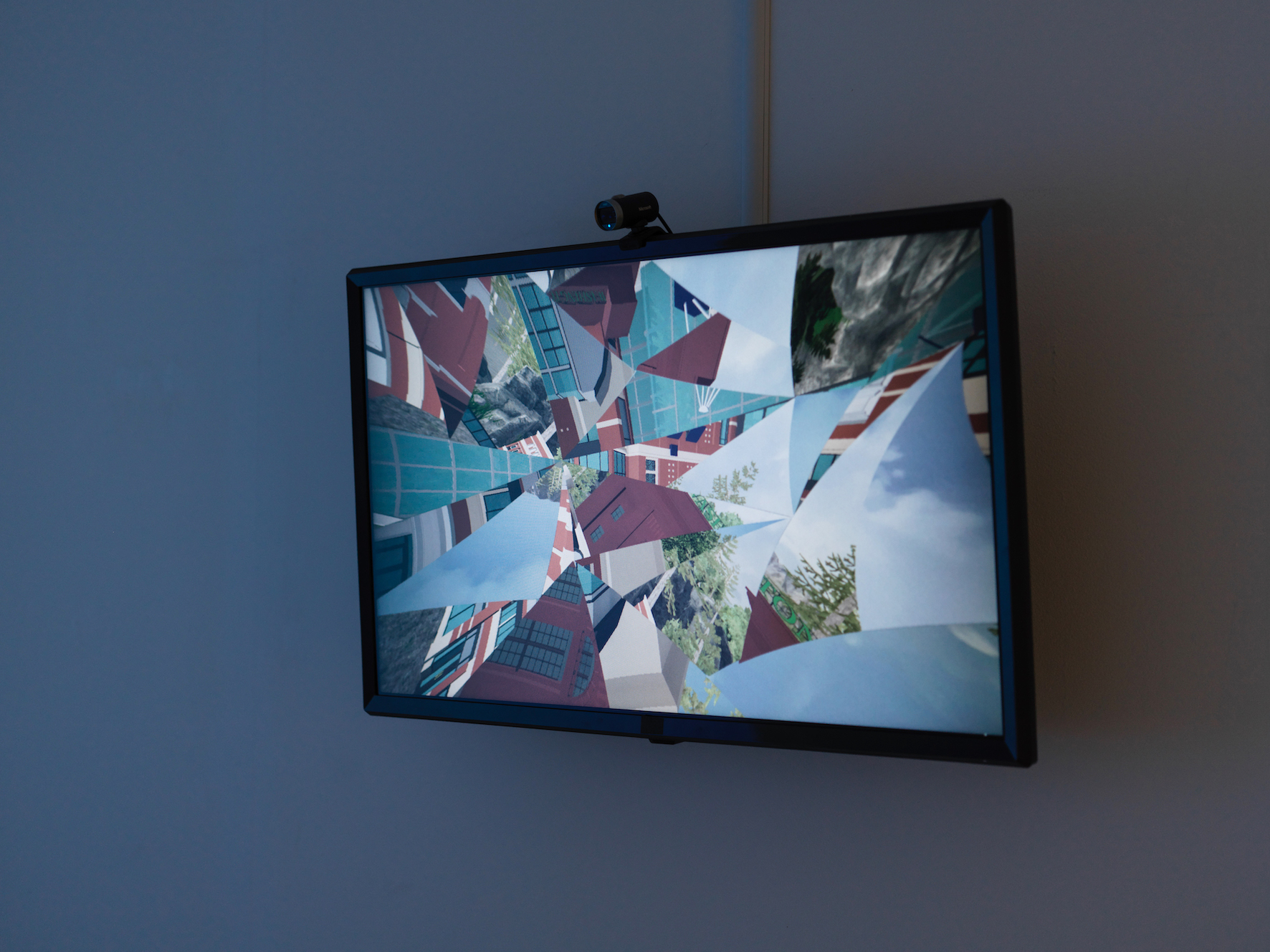
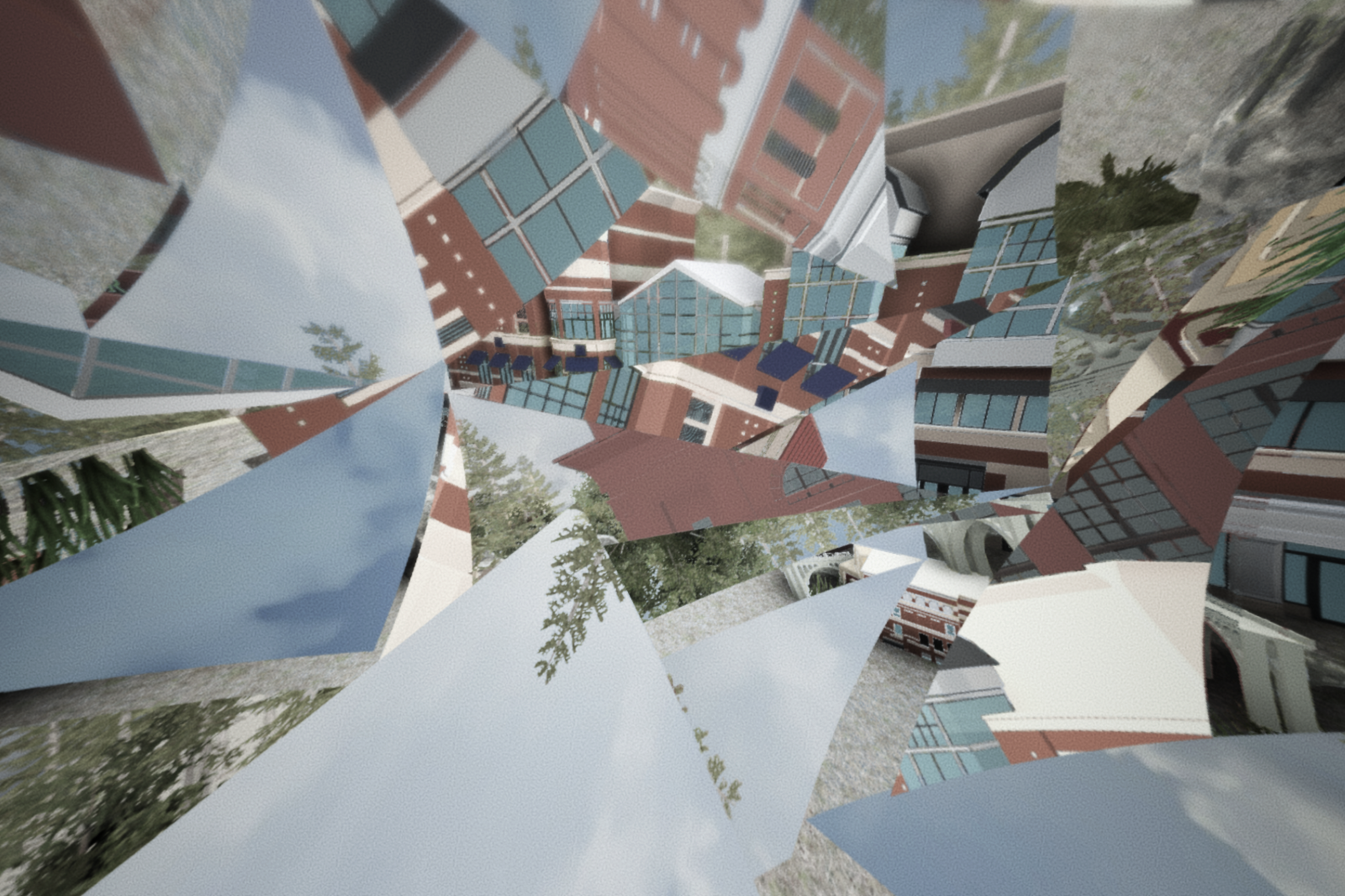
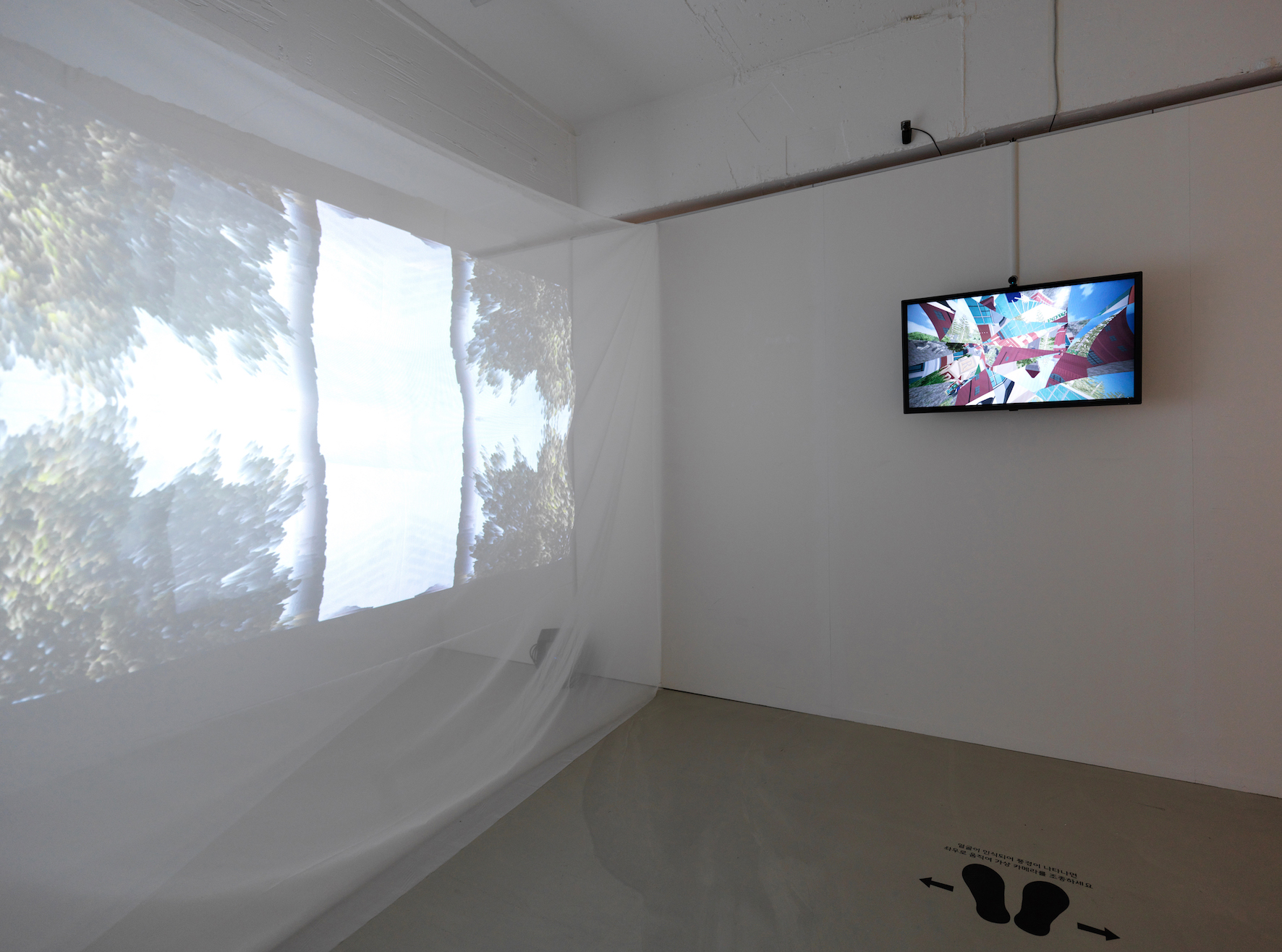
남수현 작가의 <Enacted Scene>에서는 낯선 장소에서 생활한 일정 시간동안 만나게 된 풍경을 가상공간에 재현하는데, 재현된 이미지를 통해 자신이 가지고 있던 기억을 다시 만나게 된다. 그 기억은 익숙하기도 하고 낯설기도 한다. 작가는 이를 “인간과 기계 사이에 존재하는 잠재적인 인지권 권력 관계를 탐구하기 위한 작업”이라고 말하는데, 작가의 기억과 그것을 기계적 장치가 재현한 후 그것을 다시 관객이 보는 행위는 그 무엇도 진실이라 정의할 수 없는 ‘만들어지는 사실’을 보여주는 듯하다.
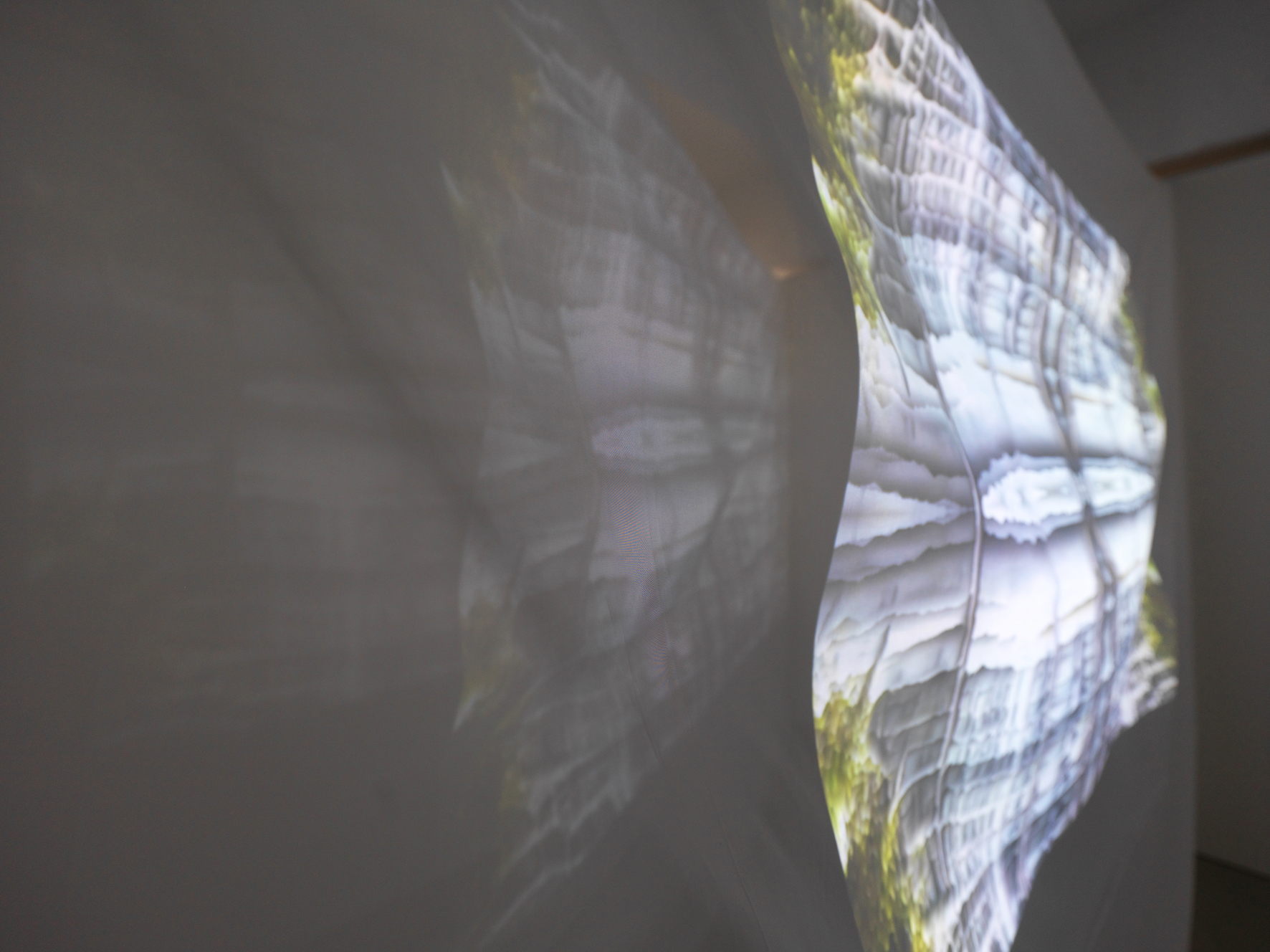
만들어지고 있는 사실들은 우리가 세상을 이해하는 방식을 설명하기도 한다. 게슈탈트 심리학에서 이야기 하는 것처럼 우리는 어떤 것을 지각하기 위해 하나의 의미있는 전체로 지각 한다. 이는 인간의 시각적 인식이 어떻게 생성되는지를 보여주는데, 우리는 절대적 진실로서의 이미지를 보는 것이 아니라 많은 요소들이 유연하게 상호작용하는 것을 의미화시킨다. 특히 시각적 이미지를 받아들이는 우리는 때로는 미학적 방식으로, 때로는 정서적인 방식으로 그것을 인식하고 감각한다.
-
우리가 믿는 존재들의 시각화
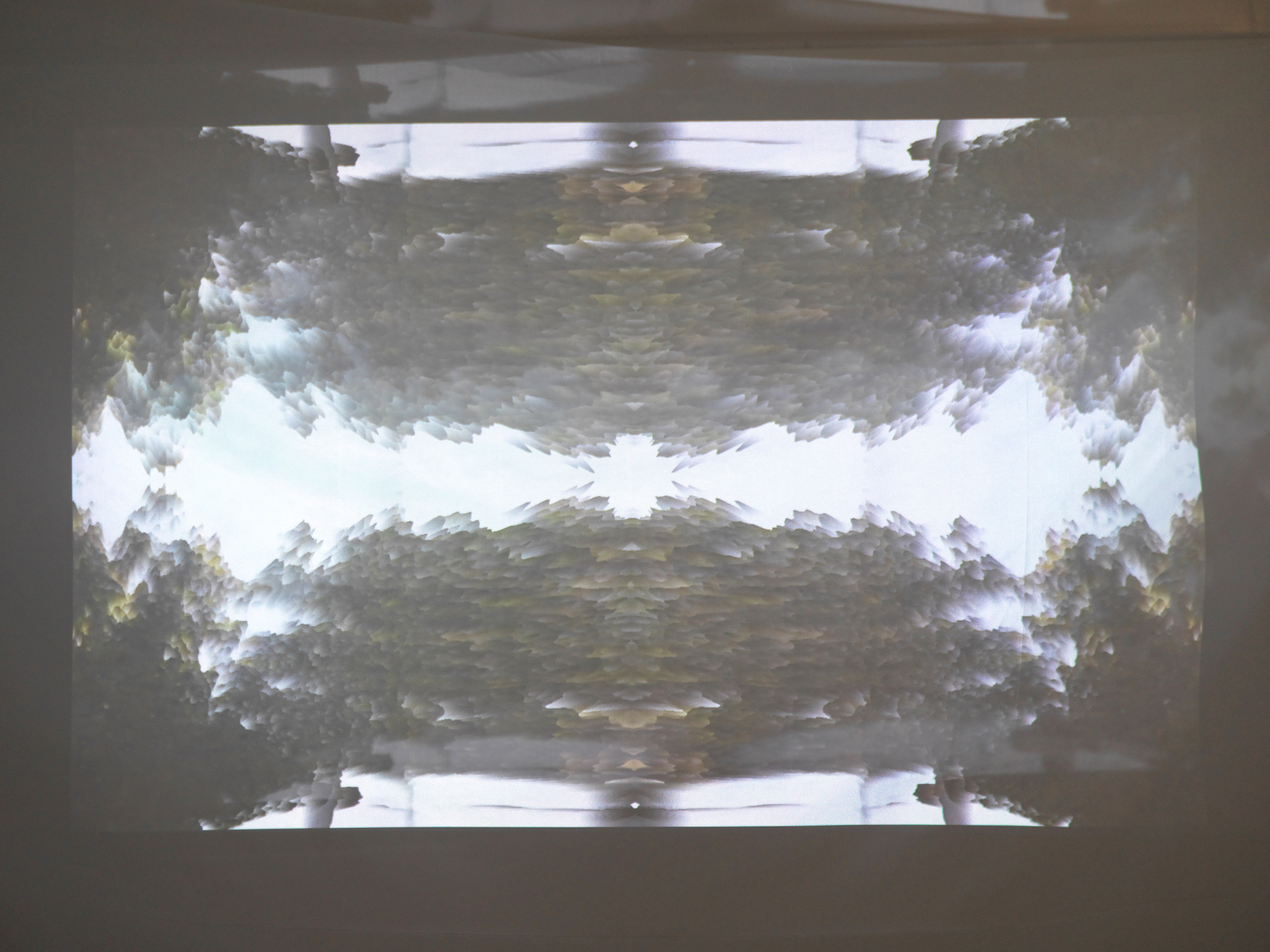
남수현 작가의 작업을 통해 보이지 않는 것들이 존재할 수 있는가에 관해 묻는다면 우리는 오히려 내가 무엇을 시각화 시키려고 노력하는지를 반문해야 한다. 그런데 여기서의 시각화는 단순히 믿기 위한 조건으로 만들어지는 증명이 아니다. 작가는 시각예술가로서 시각적 요소를 통해 우리에게 자신의 생각을 전한다. 여기서의 시각적 요소들은 단순히 무언가를 재현하기 위해서 만들어 지는 것이 아니다. 작가는 재현과 비재현을 넘나드는 방식을 통해 우리의 믿음을 시각화한다. 당연 여기서 말하는 시각화는 물질의 재현도 아니고 비재현을 거부하기 위한 것도 아니다. 재현과 비재현을 넘어 믿음이란 무엇인지를 시각화해서 보여주는 것, 그것이 작가가 현재 실험하고 있는 존재에 대한 탐구가 아닐까?
-
October 7 -20, 2022
NONPRESENTATIONAL ONTOLOGY
Suhyun Nam Solo Exhibition
To be seen and to exist
Joo-ok Kim (Curator, Art critic)
Adjunct Professor, Department of Arts Studies, Hongik University
“Something can exist while invisible.”
This idea has occupied my mind for years. However, there was no way to prove it with established epistemology to understand the world. Today, by virtue of the development of digital graphics and technology, we see the possibility of speculating on the idea in an alternative way. We also encounter a further question through Su Hyun Nam’s works.
-
A method to recognize the reality
It starts with the question, what is human consciousness? The artist explores how machines process her memories and how they are interpreted in this process. <Synthetic Cognisphere> manifests her effort to work with machines in acknowledging the unreachable field for human consciousness – in other words, nonconsciousness.
Digital images of reality and from reality are visually represented outcomes based on the rules in the conventional system of representation. However, the outcome is embodied according to the visual formula we have had for a long time. I stated “according to the visual formula” to point out the need for a new method to interpret the new world of digital images, which transcend the rules in the real world and live in a system a human cannot fully grasp. In fact, many digital images are algorithmically generated following nonrepresentational rules rather than representational reality.
-
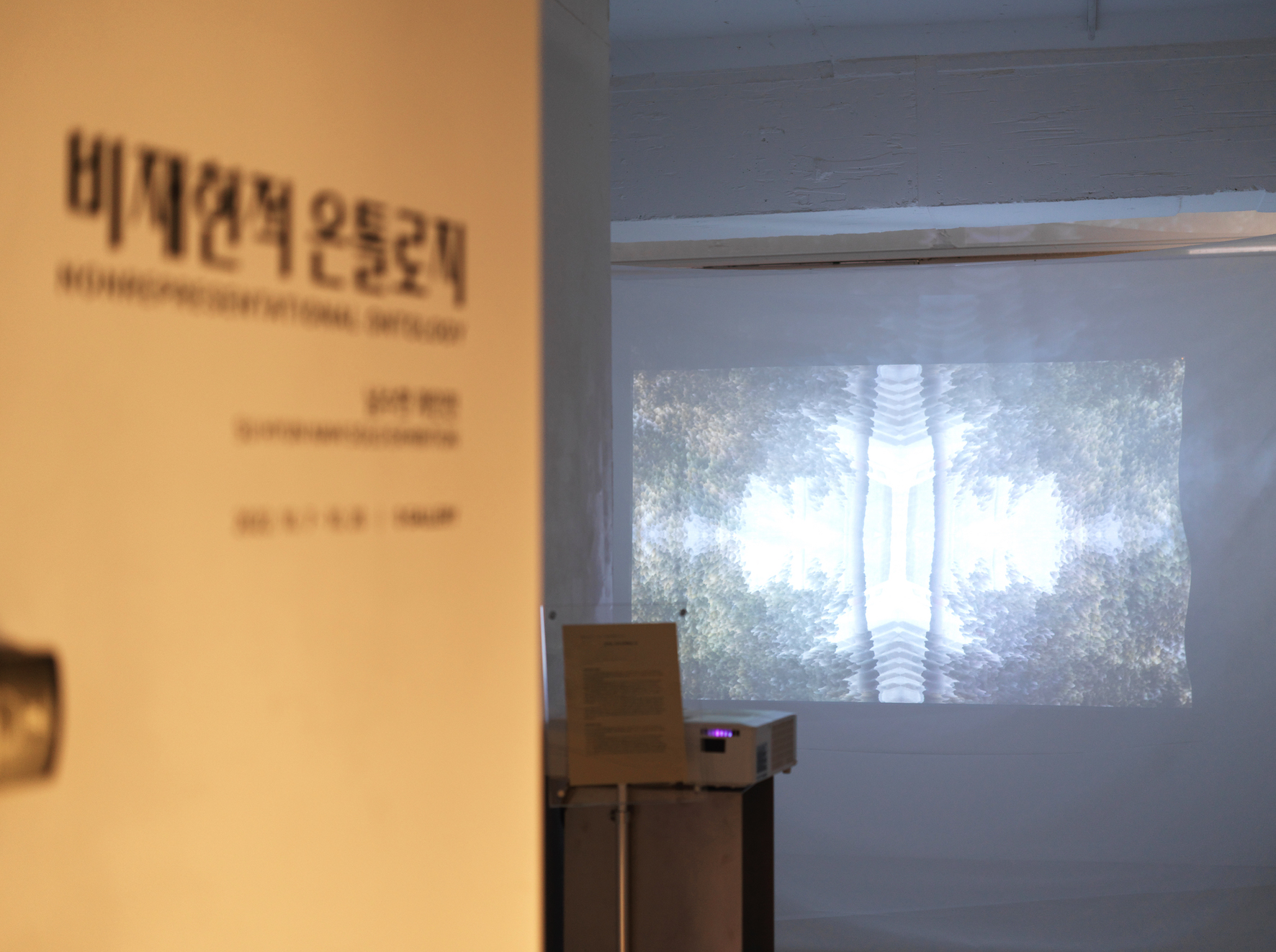
Embodying the nonrepresentational system
The artist questions the phenomenon that represented beings are foregrounded in our belief system. She is certain that there are incorporeal nonrepresentational beings in between. Then the nonrepresentational emerges from the mechanically generated images in her works.
We have wanted to believe what we see. However, we have seen what we want to believe. Can we present what we believe by disclosing what we see?
But there is a problem. Human beings are unable to prove what they believe and what they see. It is probably more accurate to say “remember” or “recognize” than ”prove.” Even a person with self-objectification would not be able to express 100% of what s/he sees, feels, and believes in language. Like the nonconscious mind of humans, the nonlinguistic world exists in a nonrepresentational way.
-
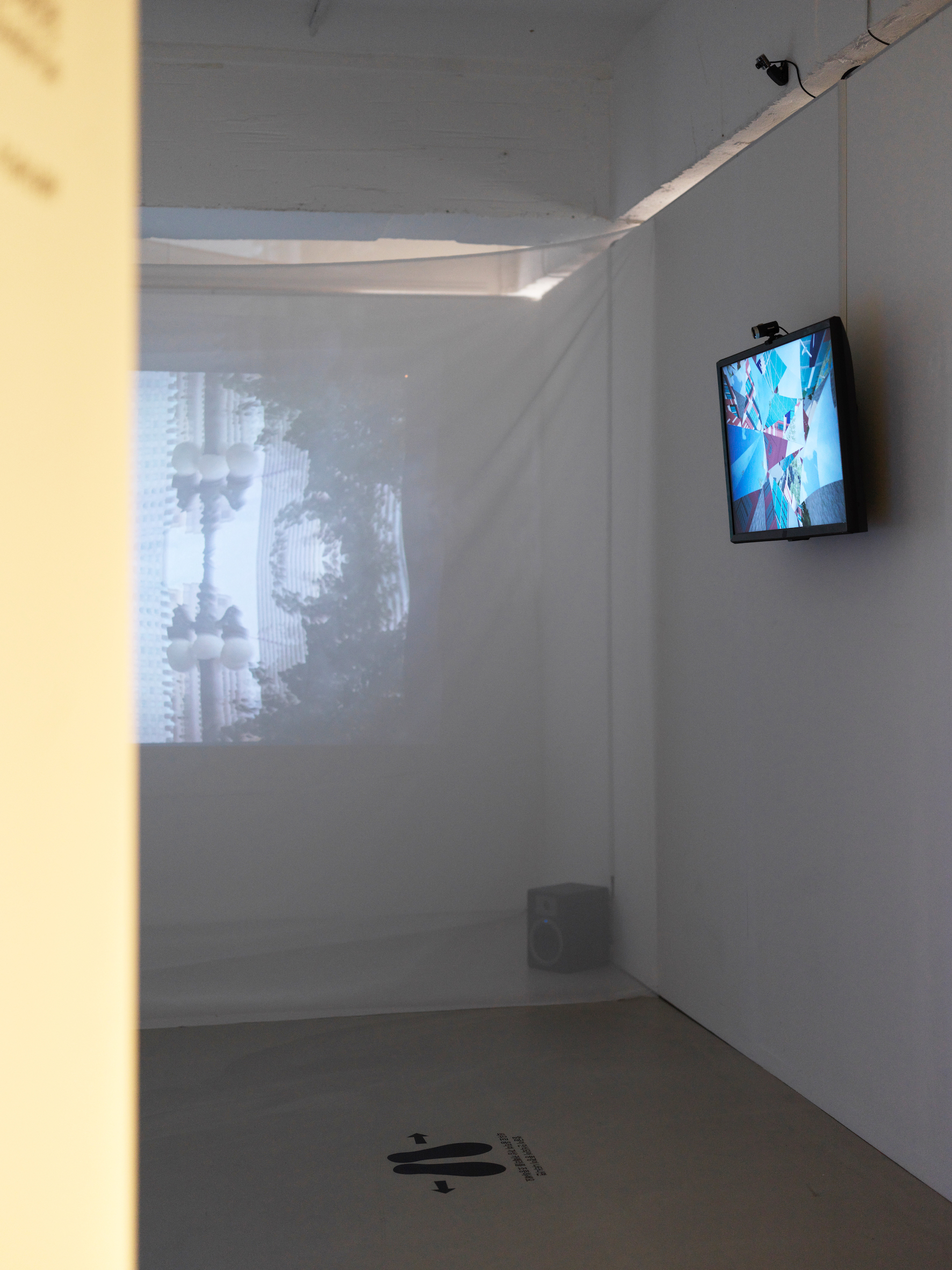
The fabricated reality
In <Enacted Scene>, the artist recreates landscapes that she encountered while staying in an unfamiliar city for a while and recalls her memories through the representation of them. They are familiar yet simultaneously unfamiliar to her. The artist explains that her works “interrogate the cognitive hierarchy that underlies the relationship between humans and machines”, and the audience's actions to see her memories, recreated by machines, seem to display ‘the reality being fabricated,’ where there is no absolute truth.
The fabricated reality also elucidates how we understand the world. As claimed in Gestalt psychology, we recognize a whole to perceive something. This reveals how humans develop visual perceptions and that various aspects interact in a fluid way – rather than we see an image as absolute truth. We recognize and sense visual images in an aesthetic or affective way depending on circumstances.
-
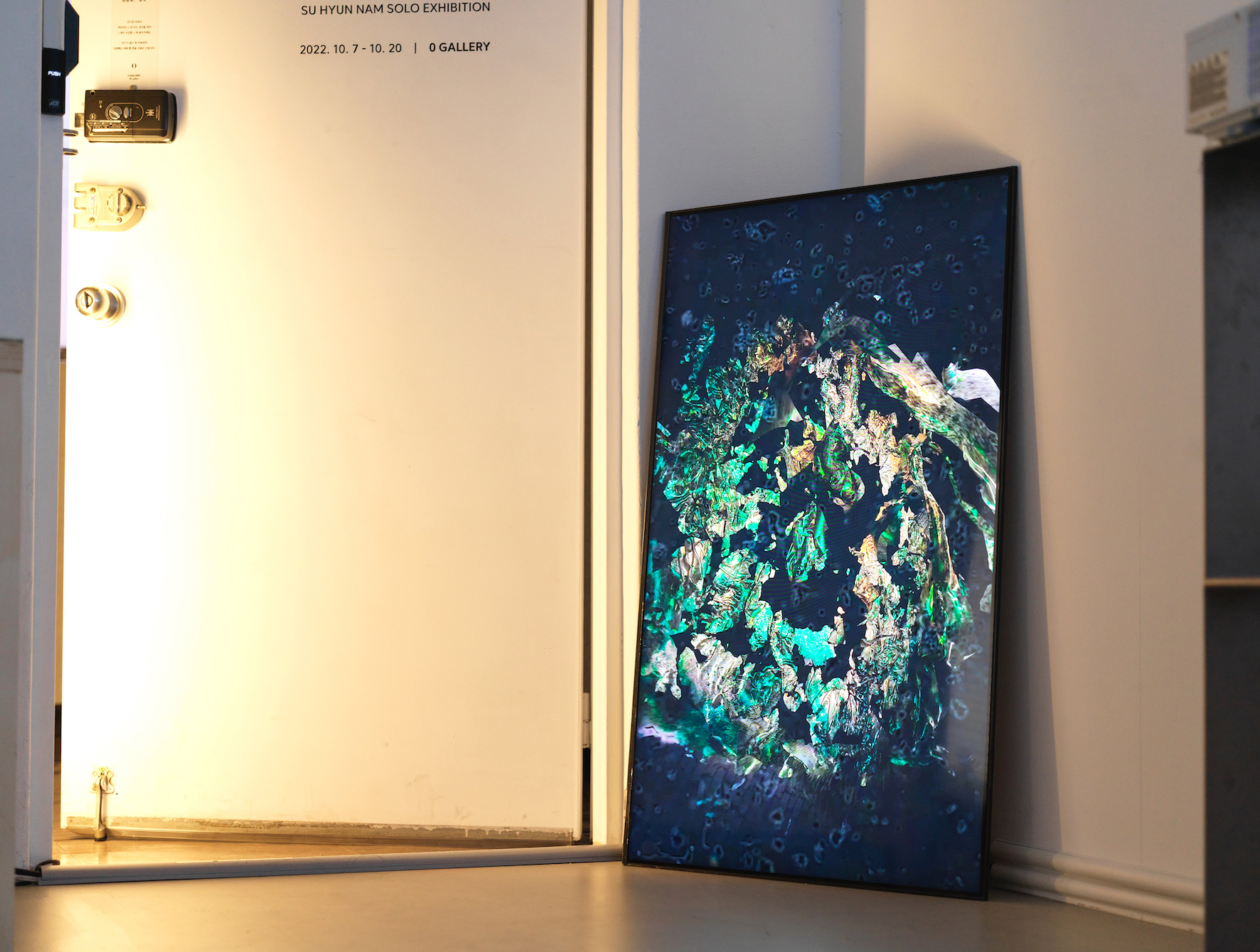
Visualization of beings we believe
If Su Hyun Nam’s work asks whether invisible beings can exist, we should ask back what we strive to visualize. However, the visualization here is not merely proof as a condition to believe. Visual artists deliver their ideas utilizing visual elements. In that process, the role of visual elements is not solely to represent a certain thing. The artist embodies our beliefs by crossing the boundary between the representational and nonrepresentational. Certainly, the embodiment at this point is not a representation of materials nor a rejection of the nonrepresentation. Maybe, visualizing beliefs beyond the distinction between a representation and nonrepresentation is her method to investigate beings that the artist wanted to experiment with in this project.
-
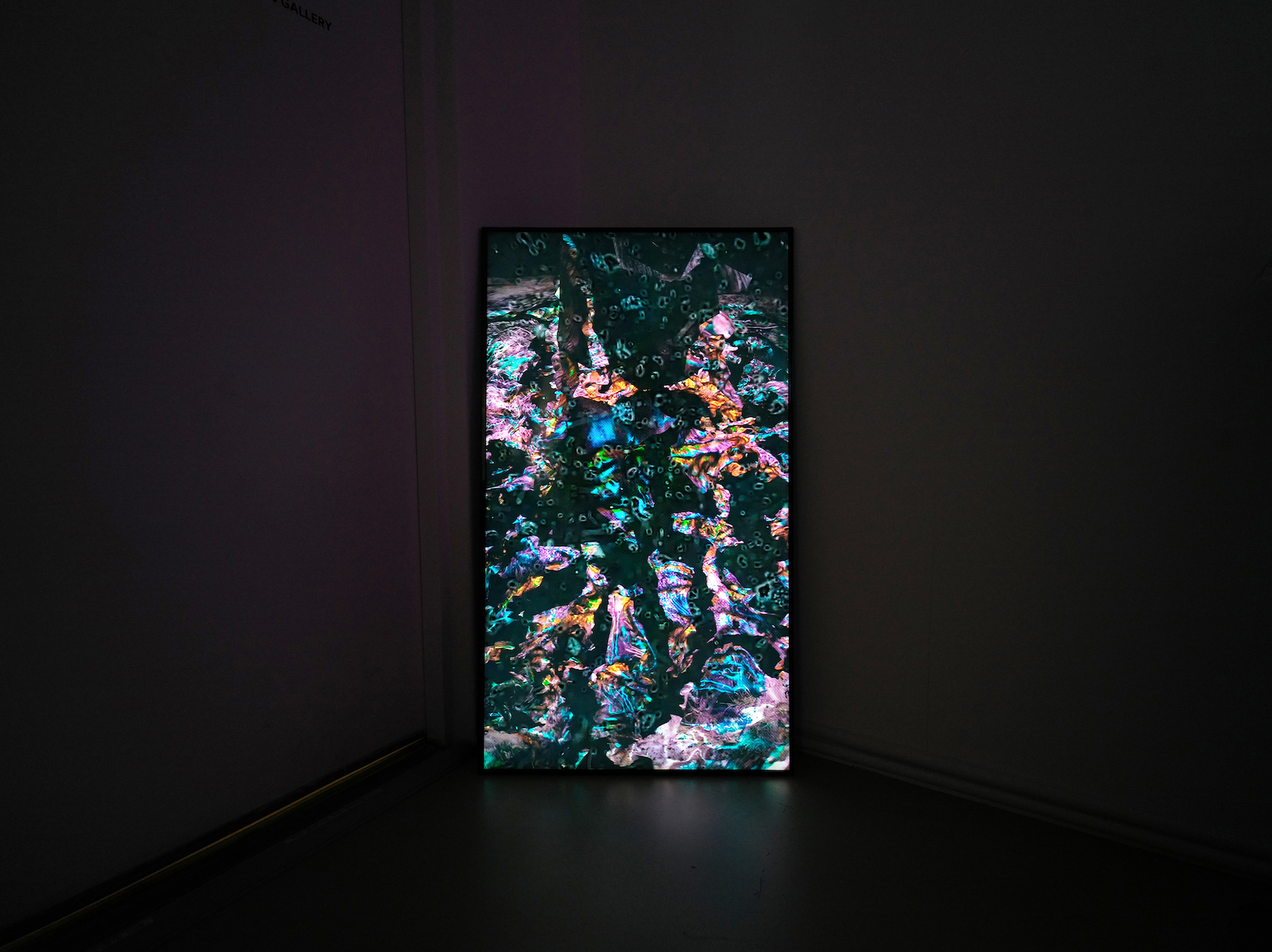
비재현적 온톨로지 | 남수현 개인전
전시 기간 | 2022. 10. 7. - 10. 20.
관람 시간 | 화-일 1-6pm [월요일 휴관]
전시 장소 | 서울시 종로구 효자로9길 30 지하 101호
전경 사진 | 허유
주최 | 0 갤러리
-